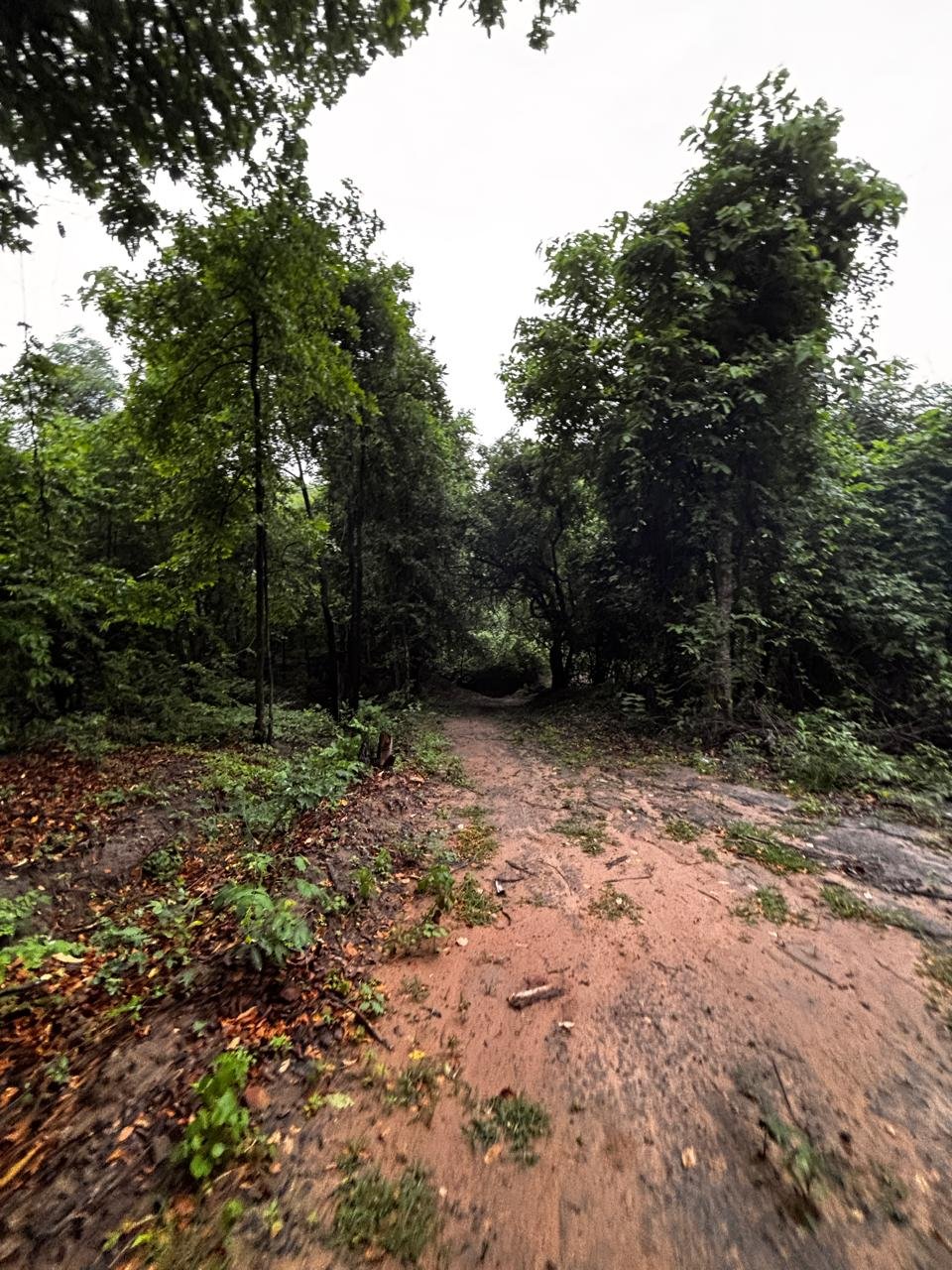
Trail running is not about maintaining road-race speed. It is about adapting to the terrain, moving efficiently and enjoying the landscape safely.
Build your base gradually
Begin with three manageable sessions each week: two shorter easy runs or run-walk sessions and one slightly longer outing. Increase duration gradually rather than making sudden jumps.
Practise on varied terrain
Include parks, unpaved paths, gentle slopes and stairs where safe. Learn to shorten your stride, keep your eyes several steps ahead and slow down before technical sections.
Add strength and balance
Twice a week, practise squats, lunges, calf raises, step-ups and single-leg balance. Strong legs and stable ankles help you manage climbs and uneven ground.
Use suitable footwear
Choose comfortable shoes with dependable grip. Do not wear brand-new shoes on race day. Test your socks, clothing and hydration setup during training.
Pace by effort
Walking steep climbs is normal in trail running. Keep your effort controlled early, especially if you are running the 10 KM or 30 KM categories.
Hydrate and fuel sensibly
Practise drinking small amounts regularly. Longer-distance runners should test the food or energy products they intend to use before race day.